Pre-Season Ski Workouts. Why they Matter after 50.
Age-related changes after 40 can affect health and skiing. By the age of 50, if you aren't doing strategic pre-season workouts, you should read this.
– 5 min read
Age-related changes after 40 can affect health and skiing. By the age of 50, if you aren't doing strategic pre-season workouts, you should read this.
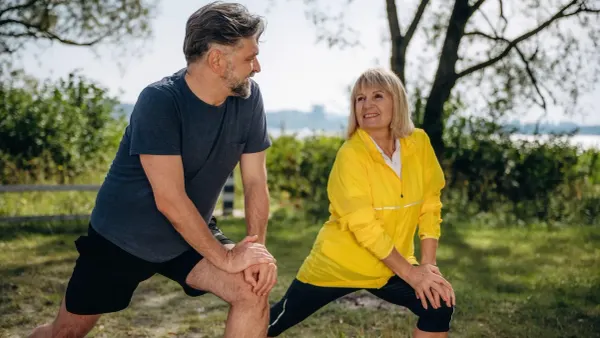
Are you disciplined about tuning your body for ski season? You tune your skis, right? You tune your car and may even put snow tires on, right? This is one tune-up you can’t pay someone else to do for you. It takes time.
By the time you turn 50, it's time to be doing some really focused, strategic exercises, as you'll discover in the video below. So why is it some of us, myself included, drag our feet about starting pre-ski season workouts? Maybe you put it off because you don't know everything we're about to share below.
❄️ One reason you may put off getting fit for ski season.
❄️ Insights from a Dr. of Physical Therapy about what happens to your body as you age and why you need to exercise in ways you perhaps didn't have to in the past.
❄️ The bad news. Several types of age-related decline can affect our fitness and skiing.
❄️ The good news. Yes, there's plenty of good news to share here.
Physical shifts (there are number of them) after the age of 40 can impact your ski life. Some changes may be gradual. You might not even realize that your body is losing key things you rely on during skiing. You might not be aware of the decline or you might be in denial. I sure was.
Avid skiers tend to be outdoorsy people who are active year-round. It’s not uncommon for skiers to fill the summer season with biking, running, golfing sailing, kayaking or hiking. When you’re moving regularly, healthy and feeling good, it may not occur to you that you need to work a little harder to get ready for the upcoming ski season than you did in the past. Perhaps no one told you - you’re already fighting loss of things like balance, muscle and reaction time.
Let’s say you’re in shape from running. That isn’t skiing. Different sports involve different movements and put different demands on our bodies. Jumping from one season to another, while you’re fighting decline may be a bigger transition than it used to be.
Understanding more about natural decline and the role of exercise might move that workout up your priority list. It got me moving.
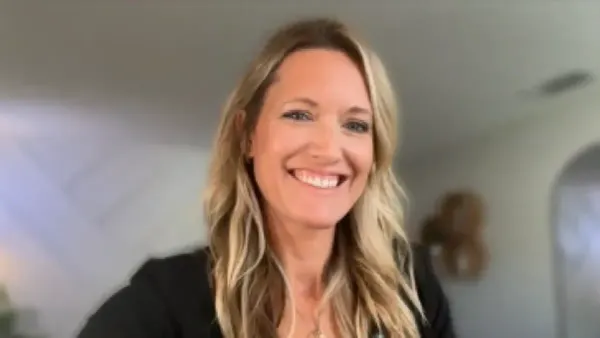
Listen to Dr. Leslie Desrosiers, Doctor of Physical Therapy, founder of the ACL Strong program, who works with many ski industry professionals.
Clip from Gold Skis Podcast episode 301 - Keep Skiing Longer with guest, Dr. Leslie Desrosiers
Muscle mass and strength decline
Have you heard of sarcopenia? Once I learned it, I hated the word. It's a gradual loss of muscle tissue. According to a Harvard Medical School report, an average person will lose 25 percent of muscle mass and strength between the ages of 30 and 70 and another 25 percent by age 90. (1)
Balance declines
Loss of muscle mass can contribute to balance decline. In addition to that, deterioration starts to happen in the vestibular system in our inner ears after 40. We rely on that system for balance feedback (2)
Flexibility declines
Loss of flexibility can come from a number of factors. These include losing collagen and losing water in our connective tissue. It's also affected by the nasty word we talked about earlier, sarcopenia. (3)
Reaction time declines
The University of Rochester Health Encyclopedia explains changes in nerve fibers which slow the speed of conduits and the loss of cells in the area of the brain that affect motor control can both slow down reaction time as we age. (4)
Bone density declines.
Here's another word I learned to hate, osteopenia. That's a medical term for bone density loss and it can lead to osteoporosis. Your bones are the most dense around age 25. Perhaps 1/3 of adults over the age of 50 have some level of bone density loss. (5)
Exercise has been cited as way to help work on all of these aspects of decline.
Sarcopenia can be slowed and some loss may even be reversed. (6) You can improve your balance. (7) There are movements you can do to work on flexibility and reaction time. Exercise can even play a role in slowing bone loss. (8)
A professional an help you work out a fitness plan that addresses preparing for ski season and age-related concerns.
The right conditioning can have another great benefit.
When Dr. Leslie was our guest on the Gold Skis Podcast, she focused on another very important and encouraging reason to train. Much of her work centers on preparing our bodies for skiing in a way that can also reduce the risk of injury. So be sure to hear more about what she has to say. (Episode link at the bottom of this post)
She also spoke to the importance of a plan where you're doing the right types of exercises the right way, with a strategic approach, doing them intentionally, and then building up.
So, stop putting off that workout. Get started in a way that's intentional. Talk to your physical therapist or a trainer at your gym about a plan that's right for you. Look into ACL Strong (it's part of my annual regimen) or other reputable programs that fit your goals. Of course, always talk to you doctor before starting any new fitness plan.
Is there a topic above would you like to see us interview experts about on a future podcast? Let us know in the comments.
Related Topics You May Like:
 Colleen Cardarella
 Colleen Cardarella
__________________________________
References Cited
(1)Harvard Heath Publishing: Want to live longer and better? Do strength training.
(2) Dartmouth Health: Keeping your balance as you age.
(3) Simplemobility (dot) com Research on Flexibility and Aging: Maintaining Mobility Across the Lifespan
(4) University of Rochester Health Encyclopedia: A Quick Look at Reflexes
(5) Cleveland Clinic: diseases & conditions: Osteopenia
(6) AARP (dot) com Why You Lose Muscle With Age — and How to Slow It
(7) Harvard Health Publishing: Topics: Balance
(8) Harvard Health Publishing: Slowing bone loss with weight-bearing exercise